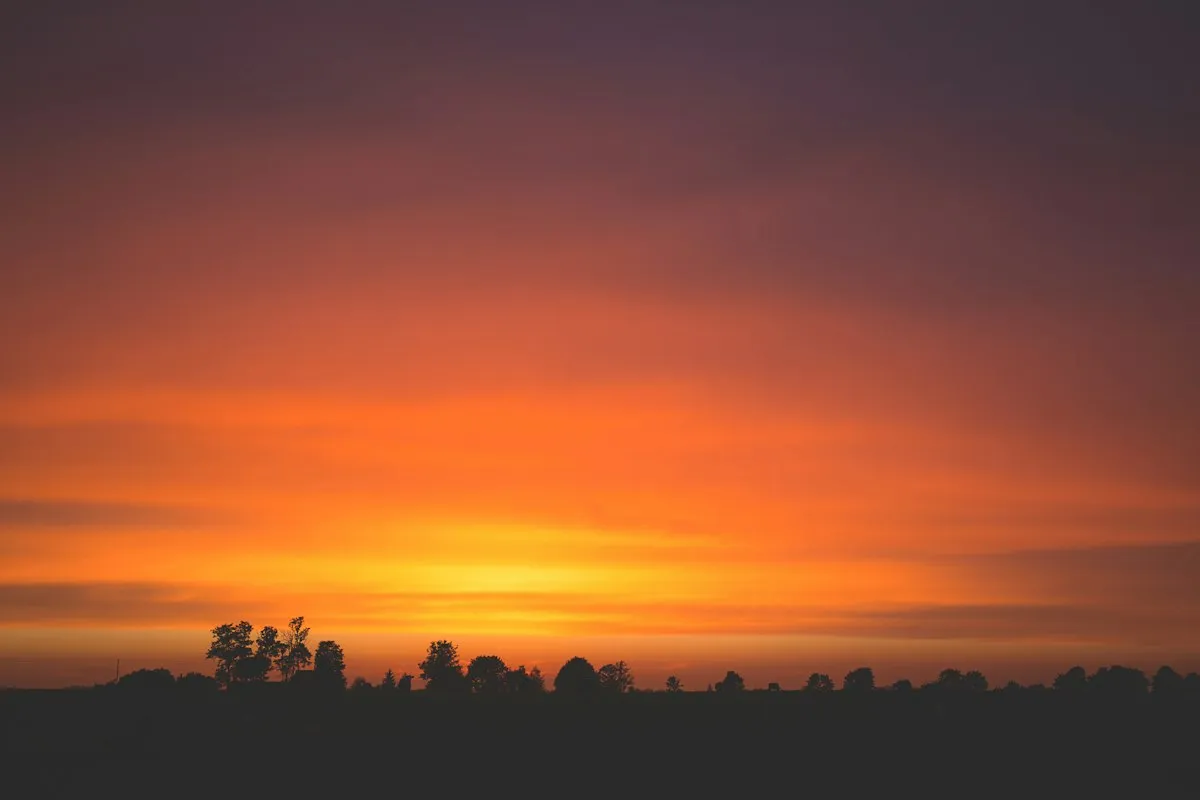
A sunset viewpoint can be a pleasant way to end a day, but rushing toward it often creates a stressful final hour. Plan the stop around access, comfort, and the journey afterward. The light is only one part of the experience.
Choose an appropriate viewpoint
Look for a public, permitted place with a practical route. Confirm access arrangements and any closing time. A photograph of a viewpoint does not show whether it requires a difficult climb or whether the surrounding ground is safe. Choose according to your own circumstances.
Check current conditions
Use reliable local information for weather and the approximate sunset time on your date. Visibility is never guaranteed. If conditions are unsuitable, choose another activity. A cloudy evening can still be enjoyable, but it should not encourage you to ignore warnings or difficult terrain.
Arrive with time to settle
Leave a margin so you can find a suitable place without hurrying. Bring an appropriate layer if the temperature is likely to change. Keep paths open and share limited viewpoints courteously. Avoid standing on walls, barriers, or unstable edges for a better image.
Think about the return before dark
Know how you will get back and whether the route is suitable after daylight fades. Check public transport details with the provider. Carry appropriate equipment for the setting and do not assume a phone screen is sufficient navigation or lighting for every route.
Spend some time without the camera
Take a photograph if you want one, then look at the scene directly. Notice the changing colors and the activity around you. A sunset does not need to be spectacular to provide a useful pause. Trying to perfect an image can make the moment feel shorter than it is.
Leave on your own terms
Start the return when it suits the route and your comfort. You do not need to wait until the last light disappears. The best final stop is one that adds pleasure to the day and still leaves you with a manageable journey back.