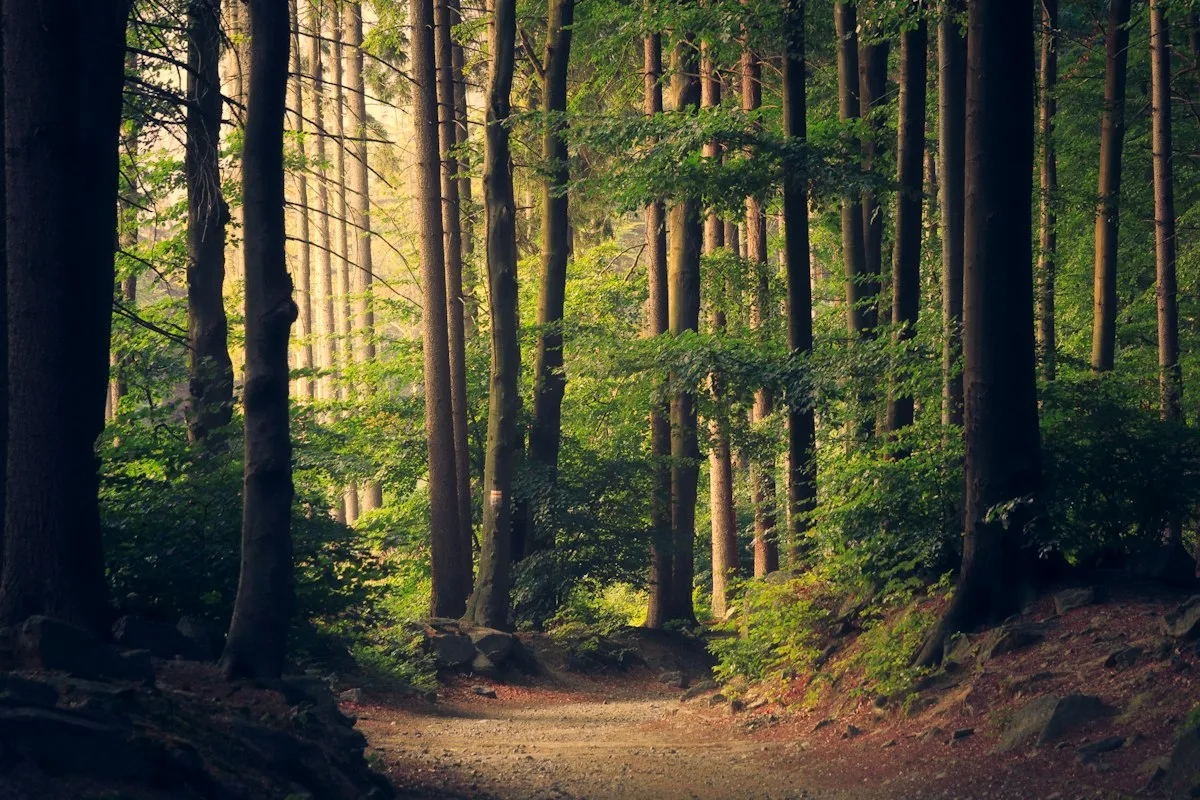
A short walk outdoors can still require preparation. The distance shown on a map is only part of the picture; surfaces, weather, daylight, and the return route matter as well. Choose an outing that suits the least comfortable member of your group rather than the most ambitious one.
Use a reliable route description
Check current information from the park, land manager, or another appropriate local authority. Look for closures, access restrictions, terrain, and facilities. A social-media photograph does not tell you whether a path is currently open or suitable for your needs.
Choose a clear turnaround
For an out-and-back route, decide where or when you will turn around. For a loop, understand its length and whether there are practical alternatives. Avoid treating the halfway point as a reason to continue if conditions or energy have changed.
Pack for the actual outing
Bring suitable clothing, footwear, drinking water, and navigation for the setting. Consider your personal needs and the local guidance for equipment. Keep essential medication or other necessities accessible. A short label does not remove the need to prepare for the environment.
Check weather and daylight
Review current official forecasts and alerts before leaving. Plan to return within a comfortable daylight margin when appropriate. If conditions become unsuitable, choose another activity. The route will still be there for a future visit; completing it is not an obligation.
Stay on permitted paths
Follow signs and avoid damaging habitats. Respect wildlife and give other walkers room to pass. Take litter away and observe any rules about pets or food. A quiet walk is more enjoyable when it does not disrupt the place you came to appreciate.
Review at the turning point
Check time, comfort, and remaining supplies. Turn back earlier if that is the sensible choice. Afterward, note what made the route manageable or difficult. A successful walk ends with everyone returning comfortably, not with a distance target achieved at the expense of the group.