A garden visit can become a quick walk from entrance to exit, especially when you are traveling with a busy itinerary. An unhurried hour gives you a chance to notice layout, textures, and the ways the space invites people to pause. You do not need expert plant knowledge to enjoy that attention.
Check the visitor rules
Confirm current access, opening hours, and any ticket requirements with the garden. Look for guidance about staying on paths, picnicking, and photography. Some gardens are working collections with protected areas. Follow the rules even when a shortcut or closer photograph looks tempting.
Choose a short route
Use the map to find a loop or a few connected areas. Consider surfaces, steps, and available seating according to your needs. Leave room for stopping rather than trying to reach every named section. A modest route can still offer plenty of variety.
Look at the whole arrangement
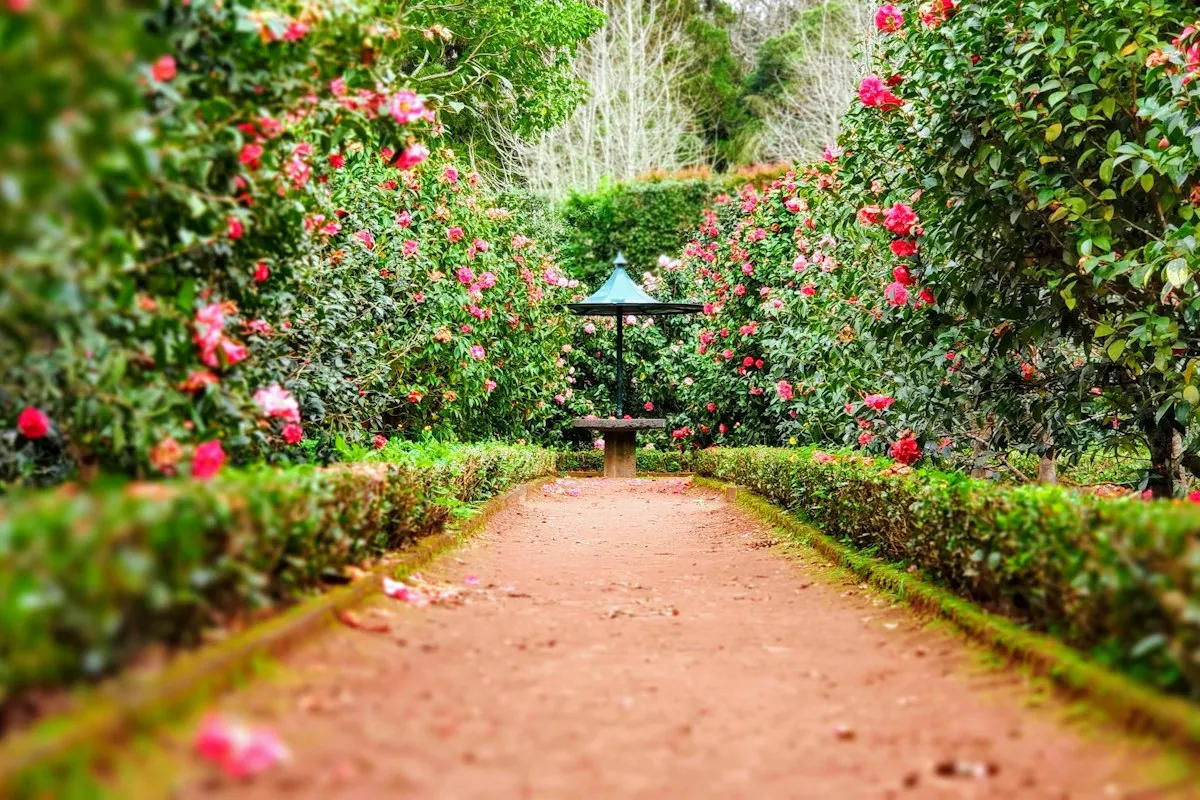
Notice how paths turn, where views open, and how planted areas relate to buildings or water. The design may be interesting even when flowers are not at their peak. Avoid judging the entire place by whether one expected plant is in bloom.
Select a detail to follow
You might pay attention to leaf shapes, shades of green, stonework, or repeated curves. Read labels if they interest you, but do not feel obliged to identify everything. Following one detail gives your walk a focus without requiring a formal lesson.
Sit for part of the visit
Find a permitted seating area and spend a few minutes observing. Notice how the scene changes as people move or the light shifts. Keep pathways and seating accessible to others. A quiet pause can become the most memorable part of a garden, especially after crowded city streets.
Take an idea, not a plant
Record a color combination, a layout, or a question you want to explore later. Do not collect plants, seeds, or other material unless explicitly permitted. The visit can inspire your own small space while remaining respectful of the place you came to enjoy.