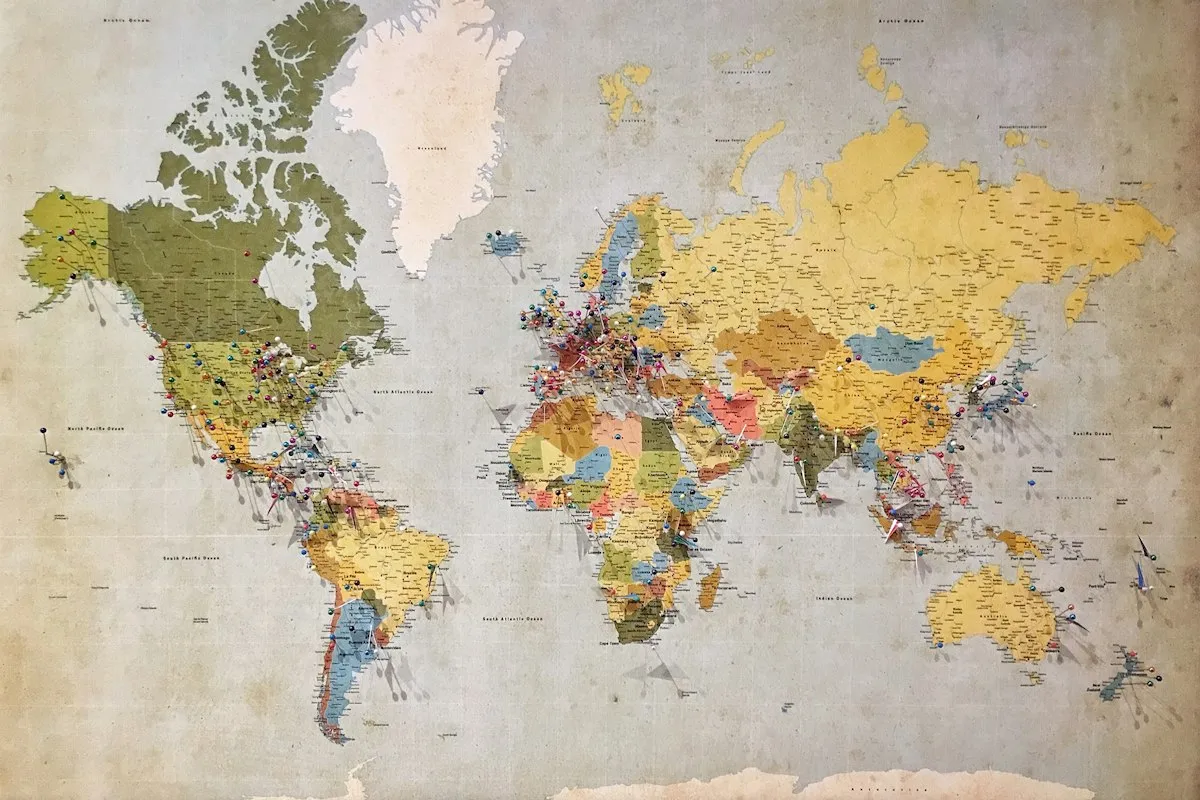
Saving places is easy; choosing among them is harder. A personal travel map becomes useful when it distinguishes strong interests from passing possibilities. Without that distinction, hundreds of pins can make a trip feel less clear rather than more prepared.
Use a small set of categories
Separate places you definitely want to consider from optional ideas and practical locations. Practical pins might include accommodation, stations, or a confirmed meeting point. Choose a system your map tool supports and keep it simple enough to understand while you are out.
Add a reason to each save
Write one short note explaining why the place interests you. This could be a collection, a view, or a convenient location. A name without context becomes difficult to evaluate weeks later. Include the source if you may need to verify information again.
Verify before planning around it
Check current opening hours, entry requirements, and accessibility directly with the venue or provider. A saved pin is a reminder, not confirmation that a place will be available. Keep outdated details from silently becoming the basis for a day's schedule.
Look for natural clusters
Group nearby places into possible half-days instead of crossing the city between isolated pins. Compare routes with the time and energy you have. Not every place in a cluster needs to be visited; proximity should make a plan easier, not create another obligation.
Protect sensitive locations
Consider what information becomes visible if you share the map. Private accommodation details, meeting points, or routines may not belong in a public version. Use appropriate sharing settings and review them before sending a link to others.
Archive after the trip
Mark what you visited and add a brief note about the experience. Remove ideas you no longer care about or move them to a separate list. A useful travel map should help you decide where to go next, while still leaving room to discover something you never saved.