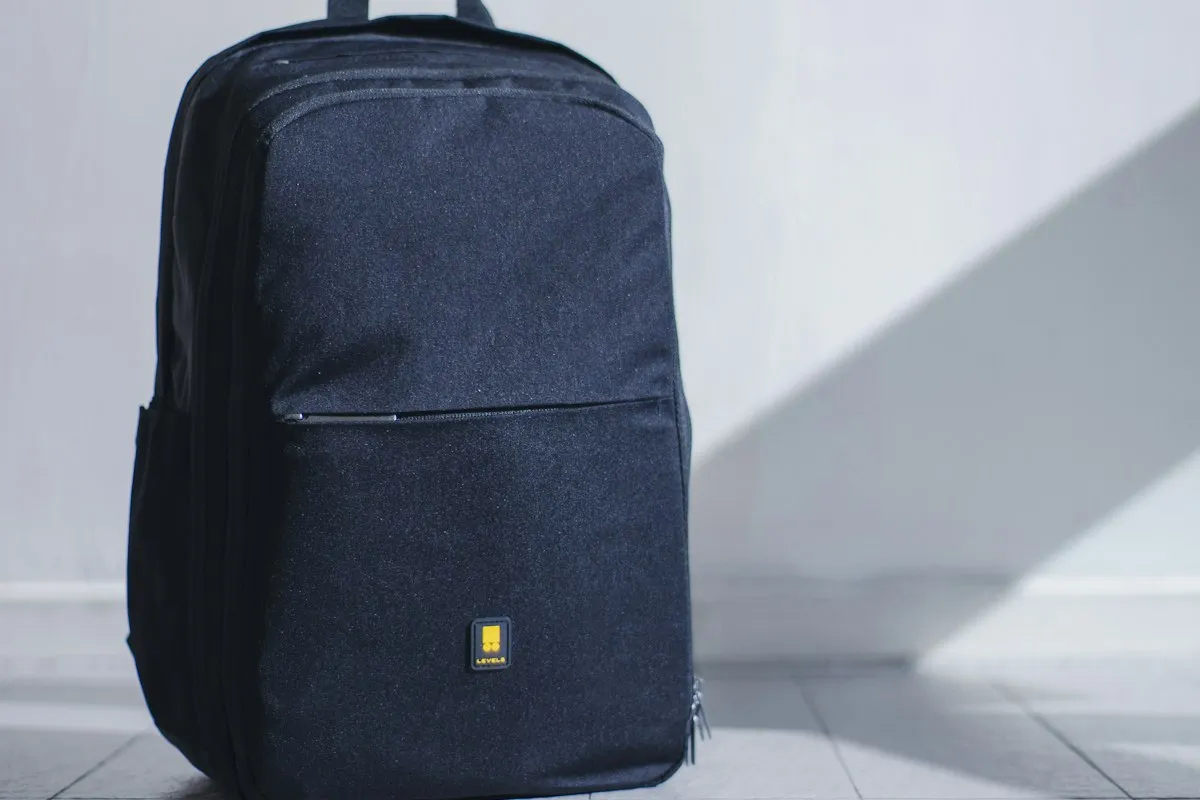
A bag that closes at home may still be inconvenient on a trip. You might struggle to retrieve documents, carry it up stairs, or fit it within a carrier's rules. A rehearsal catches those problems while you can still change the contents calmly.
Confirm the rules for your journey
Check the current size, weight, and item restrictions with each relevant airline or transport provider. Different services can apply different conditions, even on one itinerary. Verify requirements for liquids, batteries, and other restricted items using official guidance rather than assuming a previous trip's rules still apply.
Pack complete use cases
Group items around what you will do: travel day, ordinary daytime activities, and any event requiring different clothing. Choose combinations that can be worn more than once where appropriate. Include essential medication and documents according to applicable requirements. Do not remove necessities just to meet an arbitrary minimalist target.
Practice retrieving essentials
Close the bag and try taking out the things you may need during the journey. Documents, a charging cable, or a layer should not require unpacking everything in a crowded place. Keep valuables secure and consider what should remain with you if the main bag has to be checked or stored elsewhere.
Carry it realistically
Lift the bag, walk with it, and test stairs if you can do so safely. A comfortable short lift does not tell you how it feels after a longer transfer. Adjust the load and handles or straps according to the bag's instructions. If you cannot move it comfortably, reduce or redistribute suitable items.
Check the return space
Allow room for the ordinary disorder of a trip: worn clothing, supplies that no longer fit their original packaging, or a small purchase. Packing every corner tightly can make the journey home difficult. A separate suitable pouch for laundry may help organization without adding much complexity.
Remove for a reason
For each optional item, ask when you expect to use it and what happens if you leave it behind. Keep what serves a clear need. A successful carry-on is not necessarily the smallest one; it is compliant, manageable, and easy to use throughout your particular trip.